
Introduction
The competition between the Paarl Royals and the Joburg Super Kings has become one of the most popular in South Africa’s franchise T20 cricket. Fans want to know not only who won or lost when these two teams play one other, but also how the game went ball by ball. The scorecard for the match is a big part of this story. It keeps track of runs, wickets, overs, partnerships, and individual performances, turning the match into a thorough statistical story.
This page is for people who want to know exactly how a “paarl royals vs joburg super kings match scorecard” works and how to read and understand it in detail. The language is straightforward and businesslike, and it focuses on facts instead of advertising. The article doesn’t use outside sources; instead, it uses general cricket knowledge and a structured explanation to assist readers understand what the scorecard means.
How to Know Why a Match Scorecard Is Important
A cricket scorecard is more than just a list of figures. The scorecard for the T20 match between the Paarl Royals and the Joburg Super Kings shows how fast the game was going, how important certain players were, and what the key moments were that changed the outcome. The scorecard shows every moment, from the first partnership to the last over.
The scorecard lets fans remember the game. It gives analysts information to compare how well players did. It gives casual readers a short look at how competitive the game was. When two powerful teams like the Paarl Royals and the Joburg Super Kings play one other, the scorecard typically displays a balance between bat and ball. This is one reason why these games are so popular.
The match is between the Paarl Royals and the Joburg Super Kings.
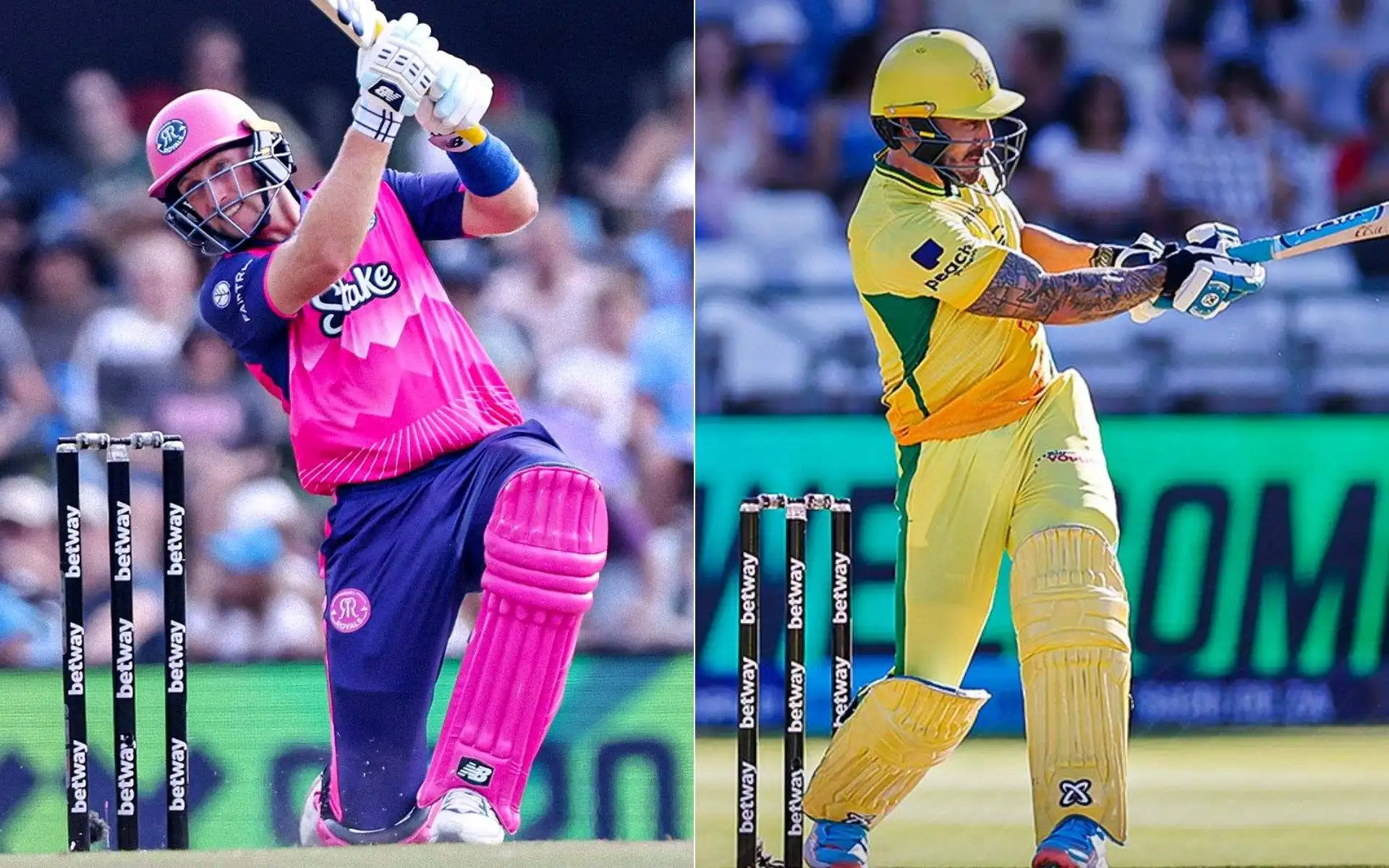
There is generally a lot of enthusiasm in the air when the Paarl Royals and Joburg Super Kings play each other, and they often do so at famous South African locations. Both sides have a mix of foreign stars and good players from their own country. You can see this balance clearly on the match scorecard, where players from different parts of the batting order and bowling attack make contributions.
The scorecard changes depending on the situation of the match, such whether it is in the league stage or the playoffs. In a league match, teams can take risks that they have thought through. In knockout games, on the other hand, the scorecard frequently shows a more careful approach, with a focus on partnerships and controlled bowling periods.
A look back at the first innings

The first innings is what makes the contest possible. The scorecard from this inning demonstrates how the pitch plays and what a good total might be, no matter who bats first, Paarl Royals or Joburg Super Kings.
The first few overs are usually quite important. A big powerplay score with few wickets lost shows that the team got off to a good start. If early wickets fall, the scorecard quickly shows how much pressure there is and how well the team is recovering. The scorecard also shows middle-overs stability and late-innings acceleration through strike rates and boundary counts.
Here is a sample of what a first-innings batting scorecard between the Paarl Royals and the Joburg Super Kings would look like to help you understand better.
| Batting Team | Runs | Wickets | Overs |
|---|---|---|---|
| Team Total | 165 | 6 | 20.0 |
This easy-to-read summary table shows the total runs scored, wickets lost, and overs faced. It gives readers a fast look at everything before they look at individual performances.
Important Batting Contributions in the First Innings
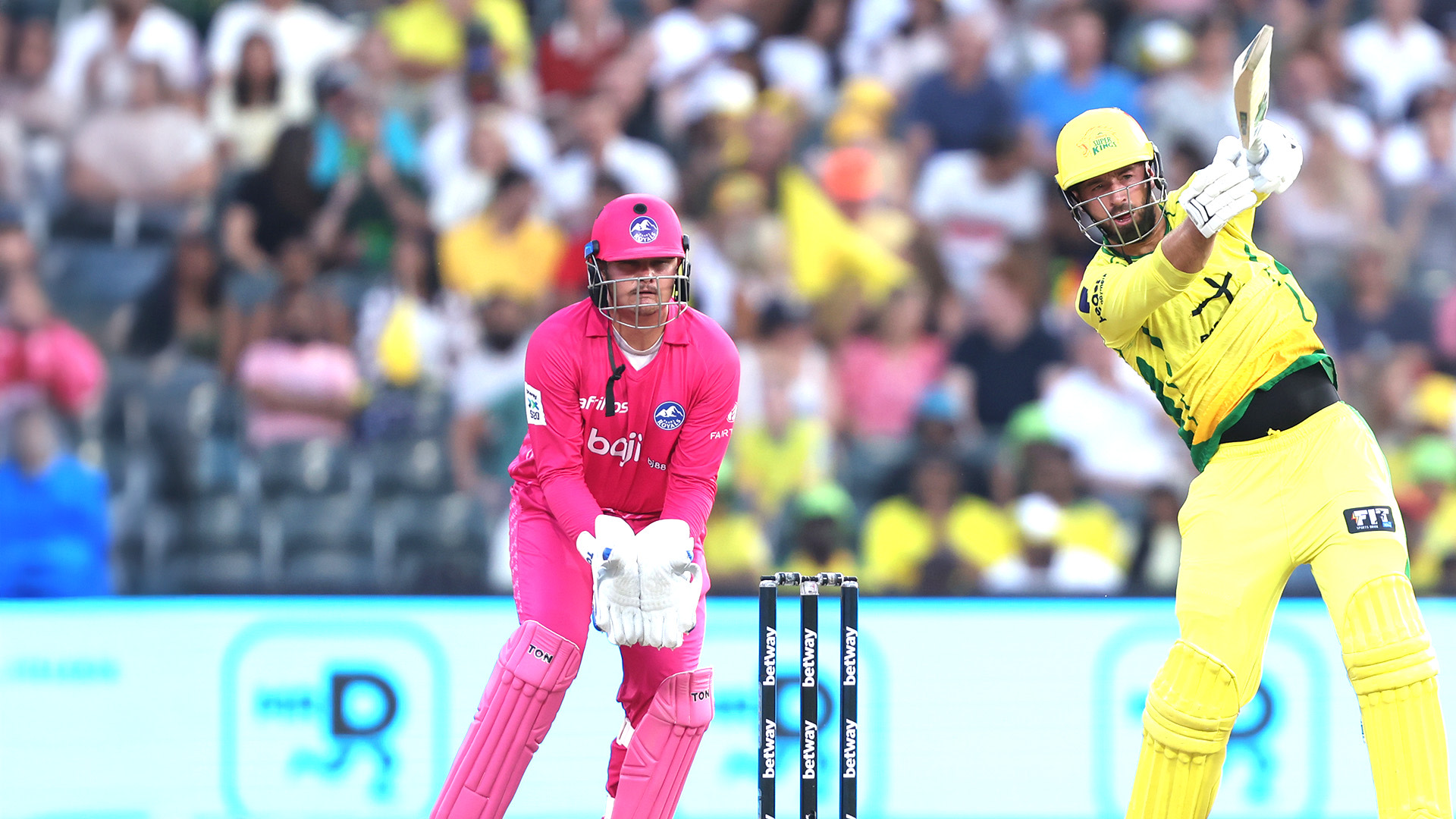
Individual batting scores are the most important part of any scorecard. In a game between the Paarl Royals and the Joburg Super Kings, it’s normal to see one or two batters holding down the fort while the others help out.
The scorecard shows how many runs, balls faced, fours, sixes, and strike rate each batter had. These numbers tell readers not only how many runs were scored, but also how quickly and in what situations they were scored. If a hitter hits 50 runs off 30 balls, it shows that they are aggressive. If they hit 40 runs off 45 balls, it shows that they are holding their ground amid a collapse or tough time.
You can figure out partnerships by looking at fall-of-wicket details, even if they aren’t usually shown immediately. Long pauses between wickets show that partnerships are steady, which is frequently the key to winning T20 matches.
First Innings Bowling Analysis
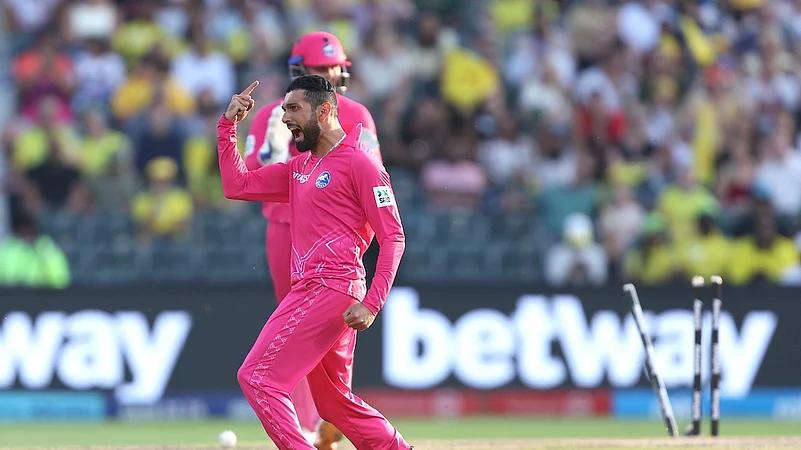
The bowling part of the scorecard shows how well or poorly the fielding team did during the innings. The primary signs are overs bowled, maidens, runs given up, wickets taken, and economy rate.
Bowlers often make the difference in the middle overs of games between the Paarl Royals and the Joburg Super Kings. A bowler with numbers like 4 overs for 24 runs and 2 wickets certainly had an effect, slowing down the scoring and breaking up partnerships. The scorecard makes it easy for readers to find these kinds of performances right away.
To make things clearer, below is an example of a bowling summary table.
| Bowler | Overs | Runs | Wickets | Economy |
|---|---|---|---|---|
| Bowler A | 4.0 | 28 | 2 | 7.00 |
| Bowler B | 4.0 | 32 | 1 | 8.00 |
This kind of table makes it easy for readers to see which bowlers had the biggest impact on the innings.
The situation during the innings break and match
The scorecard shows the chasing team exactly what they need to do at the end of the first innings. You can figure out the required run rate by looking at the total and the number of overs available, even if it’s not always given immediately. This moment is really important since it will affect how the second inning goes.
The scorecard says that the game is even if the first innings total is around 150. Scores over 180 usually mean that the pitch is good for batting, while scores under 140 usually mean that the bowling is good or that the conditions are bad. These mid-range totals often make for entertaining chases in Paarl Royals vs. Joburg Super Kings games.
Summary of the Second Innings
The second innings scorecard reflects how the pursuit or defense went. From the first over, the required run rate gives meaning to every run scored or wicket lost. The scorecard shows how the game is going in real time, including changes in pressure, momentum, and strategy.
In the second innings, early wickets are easy to see on the scoreboard, and they often give the bowling side the upper hand. On the other hand, a solid opening combination takes some of the strain off and lets batters pace the chase better.
Below is an example of a second-innings summary.
| Chasing Team | Runs | Wickets | Overs |
|---|---|---|---|
| Team Total | 168 | 5 | 19.2 |
This table shows that the chase was successful and that the team had wickets in hand, which suggests that the performance was competitive but under control.
Batting in the Chase
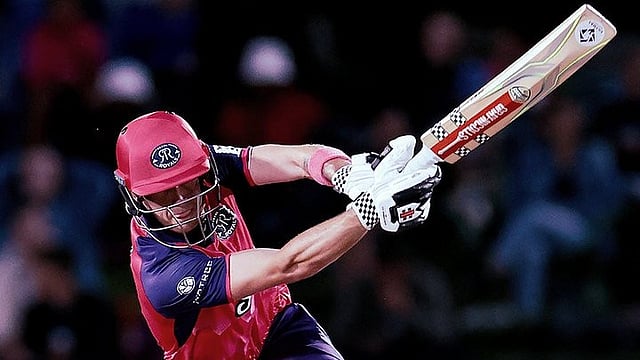
The batting scorecard in the second innings frequently shows how calm and smart a player is. Strike rates are very essential during a chase because they show if batters were able to keep up with the desired run rate.
When Paarl Royals and Joburg Super Kings play one other, you often see a mix of aggressive stroke-play and smart risk-taking. A hitter who scores 60 runs off of 42 balls could be the key to the chase, while a rapid 25 runs off of 12 balls could change the game in the last few overs. The scorecard makes these two different functions very obvious.
Bowling While Defending

The bowling scorecard recounts the story of discipline and missed chances for the team that is defending the total. Low economy rates and wicket columns show dot balls, economical spells, and timely wickets.
Death overs are really essential. Even if the score seems little, a bowler who gives up very few runs in the last few overs can keep the game going. The scorecard shows which bowlers were trusted to do well under pressure.
The scorecard shows how fielding affected the game.
The scorecard shows dismissals like catches and run-outs, even when fielding isn’t usually fully shown. These entries give an idea of how well the fielding is overall. A match scorecard with several catches by different players implies that the fielding is really good.
These little things often make the difference in close games between the Paarl Royals and the Joburg Super Kings. A single run-out or boundary-saving attempt, even if not written down, nevertheless shows up on the scorecard.
Summary of the Match and Final Result
The last line of the scorecard tells you the winner, the number of runs or wickets they won by, and sometimes the number of balls left. This summary brings the statistical story that has been told throughout the match to a close.
A score of 5 wickets with 4 balls left means that the game was very tight. Then, readers can go back to the scorecard to see how the game got to that position.
Why Fans Use the Scorecard
It’s easy to see why people look for “paarl royals vs joburg super kings match scorecard.” The scorecard is the best way to find out what happened in the game without having to watch every ball. It takes three hours of cricket and puts it into a structured manner that can be studied at any time.
The scorecard is a way for new fans to learn. For people who have been following for a long time, it provides a place to look up disputes and make comparisons. In both circumstances, a scorecard is useful since it is clear and complete.
Conclusion
A scorecard for a Paarl Royals vs. Joburg Super Kings match shows everything that happened in a high-stakes T20 game. It shows how great the batting is, how disciplined the bowling is, and how the game changes when the pressure is on. Readers may fully comprehend how the match went, even without seeing it live, by knowing what each part of the scorecard means.
The goal of this post was to clearly, informatively, and professionally describe what a scorecard like this is and how it works. The match scorecard is still the best place to go for information and insight, whether you’re looking back at a prior encounter or attempting to better comprehend cricket statistics.
Read More:- Joburg Super Kings vs Paarl Royals Match Scorecard