
Tennis is one of the most exciting sports in the world because every match is different. Unlike many sports that have fixed playing times, tennis has no official game clock. This means that the tennis match duration can vary greatly depending on the tournament, playing format, player styles, court surface, and scoring system. Some matches finish in less than an hour, while others continue for more than five hours, creating unforgettable moments in sports history.
Fans often wonder why one match ends quickly while another seems endless. The answer lies in tennis’s unique scoring system and the competitive nature of the game. Every point matters, and players must win by specific margins rather than simply waiting for time to expire. Whether you are a beginner learning about tennis or a dedicated fan following Grand Slam tournaments, understanding the factors behind match length helps you appreciate the sport even more.
In this guide, you’ll discover average match lengths, the biggest factors that influence playing time, different tournament formats, and tips for predicting how long a match might last.
Understanding Tennis Match Duration
The tennis match duration depends primarily on the number of sets played and how competitive the players are during each set. Tennis does not have a countdown timer, so matches continue until one player wins the required number of sets.

Professional tournaments generally feature two main formats:
- Best-of-three sets
- Best-of-five sets
Most ATP, WTA, Olympic, and regular professional tournaments use the best-of-three format. Men’s singles matches at Grand Slam tournaments traditionally use the best-of-five format, making them considerably longer.
Unlike sports such as football or basketball, tennis requires players to win games, sets, and finally the match. If players remain evenly matched throughout, numerous deuce games, tie-breaks, and long rallies can significantly increase match time.
This flexible scoring system is one of the reasons tennis remains exciting. Every match tells a different story, and spectators never know exactly when it will end.
Average Tennis Match Duration
Although every match is unique, there are common averages that help estimate match length.
| Match Type | Average Duration |
|---|---|
| Best-of-three singles | 1.5–2.5 hours |
| Best-of-five singles | 2.5–4.5 hours |
| Women’s singles | 1.5–2 hours |
| Doubles matches | 1–1.5 hours |
| Junior matches | 1–2 hours |
| Recreational matches | 1–3 hours |
The average tennis match duration for professional best-of-three contests usually falls between 90 and 150 minutes. Highly competitive Grand Slam matches often extend well beyond four hours, especially when both players consistently hold serve and force tie-breaks.
Weather delays, medical timeouts, and extended rallies may also increase the total time spectators spend watching a match.
Factors That Affect Tennis Match Duration
Several important elements determine how long a tennis match lasts.
Scoring System
The scoring format has the biggest influence. Best-of-five matches naturally require more time than best-of-three contests because players must win three sets instead of two.
Tie-break rules also impact match length. Modern tournaments generally use tie-breaks in deciding sets, preventing marathon matches that once lasted many hours.
Player Playing Style
Aggressive players who frequently hit winners tend to finish points quickly. Baseline players who rely on consistency often create longer rallies that increase total match time.
Serve-and-volley specialists typically complete matches faster than defensive players who extend every point.
Court Surface
Court surface dramatically changes rally length.
- Grass courts usually produce quicker matches.
- Hard courts offer balanced playing conditions.
- Clay courts often create the longest rallies and longest matches.
Clay slows the ball considerably, allowing players more time to retrieve shots and extend points.
Player Fitness
Well-conditioned athletes can maintain high intensity throughout long contests. Fatigue often causes longer recovery times between points, medical breaks, or slower movement during rallies.
Elite professionals prepare extensively for physically demanding matches that may last several hours.
How Grand Slam Matches Differ
Grand Slam tournaments attract the world’s best players and frequently feature the longest contests in tennis history.
Men’s singles matches use the best-of-five format, increasing the chances of lengthy battles. Women’s singles matches continue using best-of-three sets, although they still produce many memorable contests lasting over two hours.
Modern Grand Slam tournaments have introduced final-set tie-break rules to avoid extremely long matches that can disrupt tournament schedules.
Because players are closely matched in skill, Grand Slam matches often include:
- Multiple tie-breaks
- Long service games
- Extended rallies
- Momentum shifts
- Physical endurance battles
These elements make Grand Slam tennis among the most entertaining competitions in professional sports.
Longest Tennis Matches Ever Played
Some tennis matches have become legendary because of their extraordinary length.
The most famous example occurred at Wimbledon in 2010 between John Isner and Nicolas Mahut. Their historic match lasted over 11 hours across three days before Isner finally secured victory.
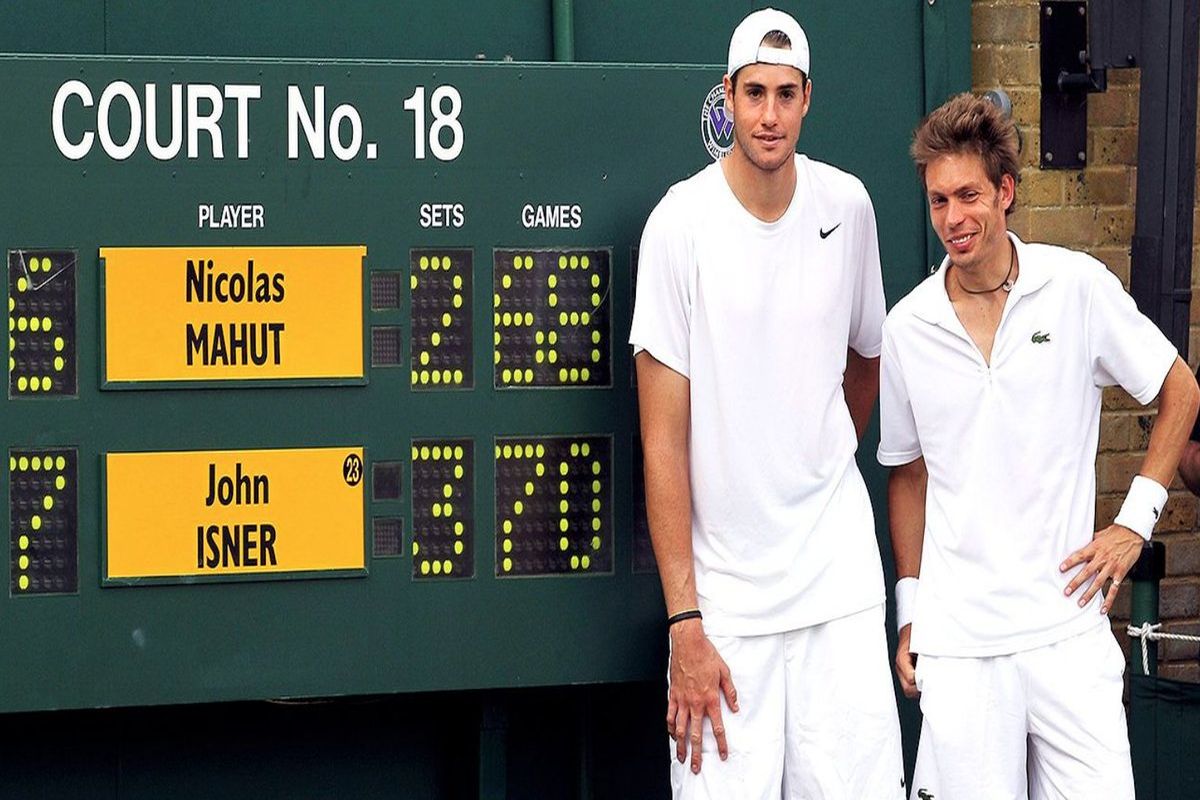
Other memorable marathon matches have exceeded five or six hours, demonstrating the incredible endurance required at the highest level.
Fortunately, recent rule changes introducing deciding-set tie-breaks have reduced the likelihood of similarly lengthy encounters.
These epic matches highlight why tennis remains one of the world’s most unpredictable sports.
Singles vs Doubles Match Duration
Singles and doubles differ significantly in playing time.
Singles matches involve greater court coverage for each player, longer rallies, and increased physical demands. Consequently, singles contests generally last longer.
Doubles matches feature four players sharing court responsibilities. Faster net play, stronger serving, and quicker point construction usually shorten overall match time.
Many doubles competitions also use:
- No-ad scoring
- Match tie-breaks instead of third sets
These rules reduce the overall tennis match duration, making doubles easier to schedule during busy tournaments.
Does Weather Affect Tennis Match Duration?
Weather plays a surprisingly important role in determining match length.
High temperatures often force players to conserve energy, leading to slower play and more frequent breaks. Strong winds create difficult serving conditions, increasing rally length and unforced errors.
Rain presents another challenge, especially during outdoor tournaments. Matches may be suspended for hours before resuming later.
Indoor tournaments eliminate many weather-related delays, making scheduling more predictable.
Humidity, sunlight, and changing court conditions can also influence player performance and overall match flow.
How Television Scheduling Handles Tennis
One challenge broadcasters face is the unpredictable nature of tennis.
Unlike timed sports, television networks cannot know exactly when a match will finish. Tournament organizers therefore build flexible schedules to accommodate longer contests.
Major tournaments often feature:
- Multiple courts
- Evening sessions
- Reserved television windows
- Flexible match scheduling
This approach ensures that fans can enjoy complete matches without unnecessary interruptions while helping organizers manage tournament operations efficiently.
Tips for Estimating Tennis Match Duration
Although predicting an exact finishing time is impossible, several indicators help estimate match length before play begins.
Consider these factors:
- Tournament format
- Best-of-three or best-of-five
- Player rankings
- Court surface
- Recent head-to-head history
- Serving ability
- Playing styles
- Physical fitness
For example, two powerful servers competing on grass may complete a match relatively quickly. Two defensive clay-court specialists often produce much longer encounters.
Experienced fans frequently analyze these variables before placing predictions or planning their viewing schedules.
Why Tennis Match Duration Makes the Sport Unique
The unpredictable tennis match duration is one of the sport’s greatest strengths. Without a game clock, every point carries enormous importance. Players cannot simply protect a lead until time expires—they must continue winning games until the match officially ends.
This creates constant drama. Momentum can shift suddenly, and even players trailing by two sets may produce remarkable comebacks.
The absence of time pressure also rewards mental toughness, endurance, concentration, and strategic adjustments throughout the contest.
Fans appreciate this uncertainty because every match unfolds differently, making tennis one of the most captivating sports to watch.
Conclusion
Understanding tennis match duration helps fans enjoy the sport more fully. Since tennis has no fixed clock, match length depends on the scoring format, player styles, court surface, competitiveness, and tournament rules. While most professional best-of-three matches last around two hours, Grand Slam best-of-five contests often extend well beyond three or four hours. From quick doubles matches to unforgettable marathon battles, every contest offers a unique experience. The unpredictable nature of tennis match duration is one of the qualities that makes tennis so exciting for players, broadcasters, and spectators alike. Whether you’re watching a local tournament or a Grand Slam final, knowing the factors that influence match length provides a deeper appreciation of the skill, endurance, and determination required to succeed on the tennis court.