
The West Indies vs Sri Lanka cricket rivalry has developed into one of the most exciting contests in international cricket. While it may not carry the same historical weight as some of the sport’s oldest rivalries, it has consistently delivered entertaining matches across all formats. Both teams have rich cricketing traditions and have produced some of the finest players in the game’s history. Whenever these two sides meet, fans can expect competitive cricket, memorable performances, and moments that leave a lasting impression.
The rivalry has evolved significantly over the decades. The West Indies dominated world cricket during the 1970s and 1980s, while Sri Lanka emerged as a powerful force after gaining Test status and especially following their World Cup triumph in 1996. These contrasting cricketing journeys have made encounters between the two nations fascinating. From Test battles to thrilling One Day Internationals and explosive T20 matches, the West Indies vs Sri Lanka rivalry continues to attract global attention and provide exciting entertainment for cricket lovers.
The Historical Development of the Rivalry
The history of cricket between these nations began after Sri Lanka achieved full Test status in 1981. During the early years, the West Indies enjoyed considerable success due to their superior experience and world-class lineup. Sri Lanka was still developing as a cricketing nation and faced significant challenges competing against established teams.
Over time, Sri Lanka strengthened its cricket structure and produced legendary players capable of challenging the best teams in the world. As a result, matches between the two sides became increasingly competitive. The rivalry reached new heights during the late 1990s and early 2000s when Sri Lanka’s golden generation regularly faced talented West Indian squads.
Several memorable contests helped define the relationship between these teams. Close finishes, individual brilliance, and high-pressure tournaments contributed to the growing significance of the matchup. The progression of Sri Lanka from underdog to world champion added another layer of excitement to their encounters with the Caribbean side.
Today, the rivalry is respected for its unpredictability. Both teams have experienced periods of dominance and rebuilding, making every series an opportunity to establish momentum and showcase emerging talent.
Key Differences Between the Teams
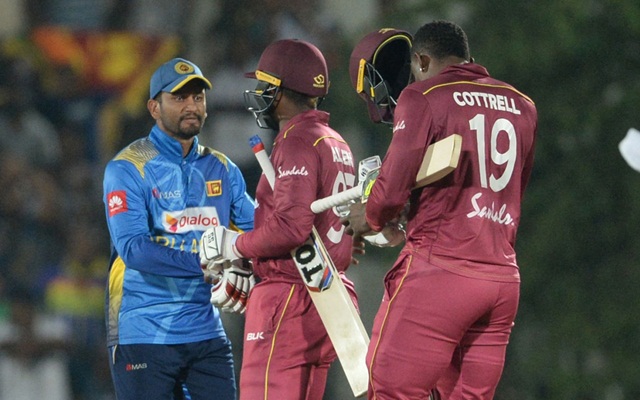
Although both nations share a passion for cricket, their playing styles have traditionally been quite different.
| Aspect | West Indies | Sri Lanka |
|---|---|---|
| Traditional Strength | Power hitting | Technical batting |
| Bowling Focus | Fast bowling | Spin bowling |
| Playing Style | Aggressive | Strategic |
| Home Conditions | Pace-friendly pitches | Spin-friendly surfaces |
| Cricket Culture | Flair and entertainment | Discipline and planning |
These differences often create fascinating contests where contrasting strengths are tested against each other.
Major Characteristics
- Explosive batting from West Indies players.
- Skilled spin bowling from Sri Lankan bowlers.
- Competitive performances in limited-overs cricket.
- Strong fan support in both regions.
- Unpredictable outcomes across formats.
Memorable Matches Between West Indies and Sri Lanka
Over the years, numerous matches have captured the imagination of cricket fans. Several contests stand out due to their significance, quality, and dramatic endings.
One memorable aspect of the West Indies vs Sri Lanka rivalry is the number of closely fought matches in ICC tournaments. World Cup encounters have often featured intense pressure situations where individual brilliance determined the outcome. These matches not only influenced tournament standings but also strengthened the competitive nature of the rivalry.
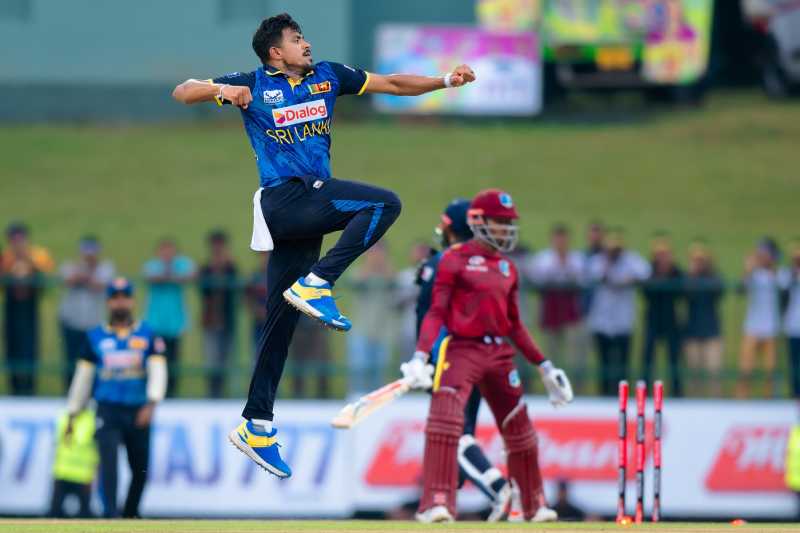
Test matches have also produced remarkable performances. Long batting partnerships, impressive bowling spells, and challenging conditions have contributed to some unforgettable cricket. Fans have witnessed remarkable comebacks and hard-fought draws that demonstrated the resilience of both teams.
In T20 cricket, the rivalry has become even more entertaining. The format suits the strengths of both sides, combining explosive batting with innovative bowling strategies. These contests often go down to the final overs, creating excitement for spectators around the world.
Legendary Players Who Defined the Rivalry
Every great rivalry is shaped by exceptional players, and this matchup is no exception. Several cricket legends have played significant roles in memorable encounters.
West Indies Legends
- Brian Lara
- Chris Gayle
- Shivnarine Chanderpaul
- Curtly Ambrose
- Courtney Walsh
Sri Lanka Legends
- Kumar Sangakkara
- Mahela Jayawardene
- Muttiah Muralitharan
- Sanath Jayasuriya
- Lasith Malinga
These players consistently delivered outstanding performances and elevated the quality of competition whenever the teams met. Their contributions helped transform ordinary matches into historic occasions.
Impact on International Cricket
The significance of the West Indies vs Sri Lanka rivalry extends beyond bilateral series. Both teams have contributed greatly to the evolution of international cricket.
The West Indies introduced a powerful and aggressive brand of cricket that inspired generations of players. Their dominance demonstrated the importance of athleticism, confidence, and fast bowling excellence. Sri Lanka, meanwhile, revolutionized limited-overs cricket with innovative tactics and fearless batting approaches.
When these philosophies collide, cricket fans witness a unique blend of styles. The rivalry serves as an example of how different cricketing cultures can compete at the highest level while maintaining respect and sportsmanship.
Furthermore, encounters between these nations have often highlighted emerging talent. Young players use these matches as opportunities to establish themselves on the international stage and gain valuable experience against quality opposition.
Performance Across Different Formats
The rivalry has evolved differently across cricket’s three major formats.
Test Cricket
Test matches between the teams showcase patience, endurance, and technical skill. Sri Lanka has traditionally benefited from home conditions that favor spin bowling, while the West Indies have often enjoyed success on faster pitches.
One Day Internationals
ODI cricket has produced some of the rivalry’s most balanced contests. Both teams have enjoyed periods of success and have frequently challenged each other in major tournaments.
Twenty20 Internationals
T20 cricket has introduced a new dimension to the rivalry. The explosive batting capabilities of the West Indies often contrast with Sri Lanka’s disciplined bowling and tactical planning. This combination frequently creates thrilling matches that keep fans engaged until the final ball.
Statistical Comparison
The following table highlights the general strengths of both teams.
| Category | West Indies | Sri Lanka |
|---|---|---|
| World Cup Success | Multiple titles | 1996 Champions |
| T20 World Cup Titles | Multiple titles | Strong contenders |
| Fast Bowling Tradition | Excellent | Moderate |
| Spin Bowling Tradition | Good | Exceptional |
| Batting Power | Very High | High |
| Cricket Legacy | Historic dominance | Consistent growth |
Statistics alone do not fully capture the rivalry, but they demonstrate the impressive achievements of both cricketing nations.
The Role of Home Advantage
Home conditions have always played an important role in international cricket, and this rivalry is no exception. Sri Lankan pitches generally support spin bowlers and require patience from visiting batsmen. As a result, touring teams often face significant challenges adapting to local conditions.
In contrast, Caribbean venues can offer bounce, pace, and favorable batting conditions depending on the island and weather. Visiting Sri Lankan teams must adjust their strategies accordingly.
The ability to perform away from home has often separated successful teams from average ones. Throughout the history of West Indies vs Sri Lanka contests, victories achieved overseas have been particularly valuable because they demonstrate adaptability and resilience.
Home advantage continues to influence series outcomes, making each tour an important test of a team’s overall capabilities.
Emerging Stars and the Future
Both teams are currently focused on developing the next generation of cricket talent. Young players are increasingly stepping into leadership roles and carrying the responsibility of maintaining their nation’s cricketing standards.
The future of the West Indies vs Sri Lanka rivalry looks promising because both countries possess strong talent pipelines. Modern cricket places significant emphasis on athleticism, adaptability, and versatility, qualities that many emerging players already demonstrate.
Future contests are likely to feature advanced analytics, innovative tactics, and increasingly competitive performances. The rise of franchise cricket has also exposed players to international standards earlier in their careers, improving the overall quality of competition.
Fans can expect future series to remain unpredictable and entertaining as new stars attempt to create their own legacy within this historic rivalry.
Why Fans Love This Rivalry
Several factors contribute to the popularity of matches between these two teams:
- Competitive cricket across all formats.
- Rich history and tradition.
- Presence of world-class players.
- Exciting batting performances.
- Strategic bowling battles.
- Unpredictable match outcomes.
- Strong support from passionate fans.
These elements ensure that every encounter attracts attention from cricket enthusiasts around the world.
Conclusion
The West Indies vs Sri Lanka rivalry represents far more than a series of cricket matches. It reflects the evolution of two proud cricketing nations that have contributed significantly to the global growth of the sport. From historic Test encounters to thrilling T20 clashes, the rivalry has consistently delivered memorable moments and showcased exceptional talent.
Read more: West Indies vs Sri Lanka Women